

For UK companies that rely on software across offices, development environments, or enterprise systems, maintaining proper licensing compliance can quickly become a burden. Licensing management software offers a structured and reliable way to take control. This article explains how these tools deliver clarity, operational efficiency, legal certainty, and long term cost control.
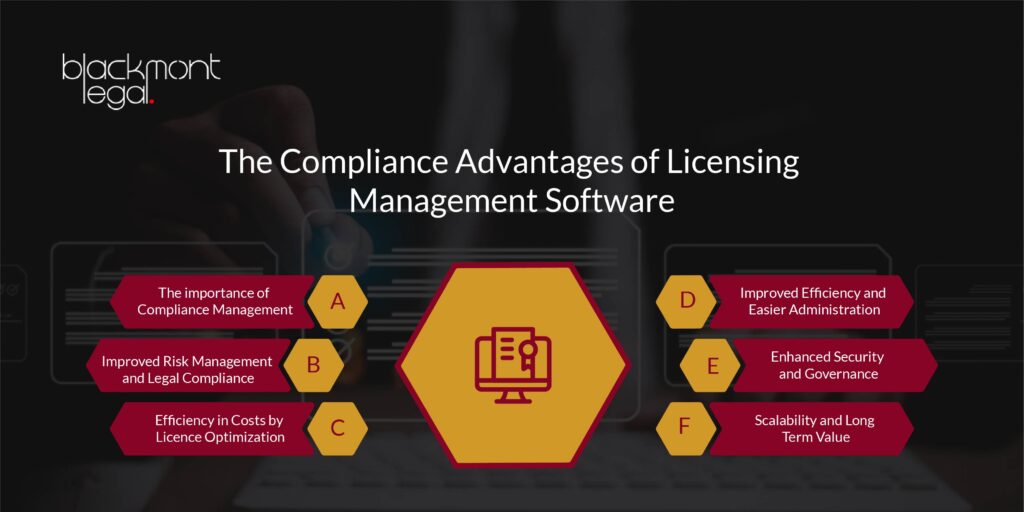
The importance of Compliance Management
As companies grow and adopt multiple software applications across teams and departments, it becomes increasingly easy to lose visibility over what is installed, who is using it, and whether the correct licences are in place. Manually managing renewals, usage limits, and vendor specific terms is time consuming and vulnerable to error. Poor tracking exposes businesses to fines, legal action, and the loss of licence rights or vendor support.
This is addressed through compliance management software, which gives organisations a clear, current view of all software licences, usage data, and compliance status. Instead of relying on spreadsheets or fragmented manual processes, businesses gain a centralised system that tracks usage, highlights risks, and supports timely renewals.
Improved Risk Management and Legal Compliance
Risk reduction is one of the strongest advantages of licensing management software. These tools help ensure a business operates within licence limits by continuously monitoring software installations and usage. This reduces the risk of unintentional breaches, such as exceeding seat limits or using features outside permitted terms.
If a software vendor conducts an audit, as many do, the business can produce clear and credible records showing how many licences were purchased, where they are deployed, how they are used, and when they were renewed or expired. This level of audit readiness significantly lowers the risk of fines, disputes, or termination of licence rights.
Beyond legal protection, maintaining strong compliance records also signals sound governance. This can strengthen credibility with clients, partners, and regulators who expect disciplined operational controls.
Efficiency in Costs by Licence Optimization
Many organisations eventually discover they are paying for more licences than they actually need. Unused or underutilised licences represent avoidable cost. Licensing management software makes it easier to identify which licences are actively used and which are not.
By reallocating or cancelling idle licences, businesses can reduce unnecessary spending and align software usage more closely with real operational needs. This allows companies to scale efficiently without paying for capacity that delivers no value.
In addition, better visibility helps avoid unexpected costs, such as emergency licence purchases triggered by audits or compliance breaches. Over time, this supports stronger budgeting, more accurate financial planning, and a better return on software investment.
Improved Efficiency and Easier Administration
Licensing management software automates many routine administrative tasks. Instead of manually tracking renewal dates, reviewing usage data, compiling audit reports, or managing multiple spreadsheets, administrative workload is significantly reduced.
IT teams spend less time on tracking and reconciliation and more time on higher value work, such as evaluating better tools, strengthening infrastructure, or supporting business growth. Automation also reduces human error, lowering the risk of missed renewals or overlooked violations that could lead to non compliance.
Centralised dashboards provide real time insight into software usage and compliance across the organisation. This information helps leadership make informed decisions about purchasing, renewing, decommissioning, or consolidating software, resulting in more efficient workflows and stronger control of IT resources.
Enhanced Security and Governance
Beyond licensing compliance, software management tools also support security and governance. Unlicensed or outdated software increases exposure to security vulnerabilities and data risks. Compliance tools help prevent unauthorised software usage through enforced controls.
They also ensure licence renewals, updates, and vendor patches are tracked and applied appropriately, reducing the risk of running unsupported or obsolete software. For organisations handling sensitive data or operating under regulatory obligations, such as data protection or industry specific rules, this additional layer of oversight strengthens overall compliance.
In addition, compliance management software promotes accountability. By recording who installed software, when it was installed, and where it is used, organisations can demonstrate transparency and responsibility. This can be critical during audits, regulatory reviews, or internal investigations.
Scalability and Long Term Value
As a business grows, its software environment becomes more complex. More applications, more users, more licences, and more vendors all add pressure. Manual licence management that once worked for a small team quickly becomes unmanageable. Dedicated compliance software scales alongside the organisation.
Licensing management systems are not limited by company size. They support environments with a handful of users or thousands. They adapt to change, whether through new software, updated agreements, or shifts in user numbers. This scalability delivers long term stability without constantly increasing administrative effort.
Because compliance software generates detailed reports and audit trails automatically, businesses can demonstrate compliance to clients, regulators, and partners as they grow. This transparency strengthens commercial credibility and builds stakeholder confidence.
Conclusion
For UK companies, particularly those growing quickly, operating in regulated sectors, or managing multiple software products, licensing management software is not just operational support. It is a strategic requirement. It reduces legal and financial risk, cuts wasted spending, improves administrative efficiency, strengthens security and governance, and supports sustainable growth.
Compliance tools do more than mitigate risk. They give businesses control, visibility, and confidence in how software is managed and used. Implementing a robust licensing management system protects your position, saves money, and supports long term commercial stability.